
Feeling bloated or uncomfortable after a colonoscopy is common, but knowing how to manage these symptoms can help you recover more quickly. The air used during the procedure often causes mild swelling or gas, which typically subsides within a day. At a colonoscopy clinic, patients are advised to focus on hydration, light meals, and gentle movement to ease post-procedure discomfort. Simple habits like sipping warm liquids or avoiding carbonated drinks can also make a difference. This article explores practical ways to reduce bloating and restore comfort after a colonoscopy for a smoother recovery experience.
Move Around to Release Trapped Gas
After the procedure, the main cause of bloating and pressure is the air that was used to expand your colon for better visibility. Gentle movement helps your body release that trapped gas naturally. Try walking around the house for a few minutes at a time instead of lying down for long periods. Light stretching or short walks can make a noticeable difference in relieving discomfort. Avoid strenuous activity, but keep your body in motion enough to promote digestion and circulation. Within a few hours, you should start feeling lighter and more relaxed.
Stay Hydrated and Eat Light
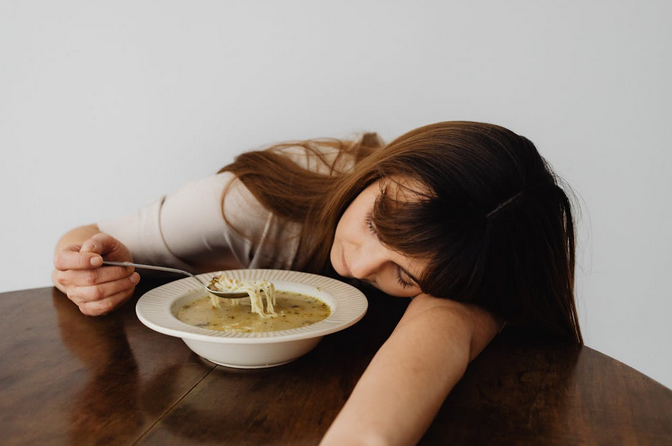
Your body loses fluids during colonoscopy preparation, so replenishing with water is key to recovery. Sip water throughout the day rather than drinking large amounts at once. Herbal teas like peppermint or chamomile can also help reduce bloating and calm your stomach. When it comes to food, start with light meals such as soup, yogurt, or soft fruits. Avoid fried or high-fiber foods for the first twenty-four hours, as these can irritate your digestive system. Gradually return to your normal diet as your body adjusts, paying attention to what feels comfortable.
Avoid Carbonated Drinks and Chewing Gum
Carbonated beverages might seem refreshing, but they introduce extra gas into your digestive tract, which can make bloating worse. The same goes for chewing gum, as it causes you to swallow air without realizing it. Instead, choose still water, herbal teas, or diluted fruit juice. If you crave something flavorful, try adding a slice of lemon or cucumber to your water for a gentle boost. Avoiding carbonated drinks for at least a day after your procedure gives your body time to settle without added discomfort.
Rest and Give Your Body Time to Recover
Even though colonoscopy is a routine procedure, it still places temporary stress on your digestive system. After your appointment, plan for a calm and restful day. Sedation can make you feel drowsy, so rest helps your body recover properly. Avoid driving, working, or making major decisions for the rest of the day. Listen to your body and permit yourself to relax. Resting also allows your digestive system to regain balance more smoothly. By the next day, most people feel completely back to normal and ready to resume regular activities.
Feeling bloated or gassy after a colonoscopy is completely normal, but it doesn’t have to ruin your day. Gentle movement, hydration, light meals, and rest are the best ways to ease discomfort and help your body bounce back. Avoiding carbonated drinks and giving yourself time to recover makes a big difference in how quickly you feel better. Within a short time, your system will settle, and you can appreciate the peace of mind that comes with completing an important preventive screening. Taking care of your recovery is simply the final step in looking after your long-term health.


 Dissociative and hallucinogenic drugs have been used in religious ceremonies for centuries. These drugs can induce a state of altered consciousness that allows the user to disconnect from the material world and connect with a higher power. For many people, this experience is deeply spiritual and can be life-changing. They have been used in religious ceremonies by indigenous peoples worldwide, including the Indians of North and South America, the Aborigines of Australia, and the Maoris of New Zealand.
 Dissociative and hallucinogenic drugs can also be used for self-exploration. These drugs can help induce a state of mind where the user can explore their thoughts and feelings. They have been used by people from all walks of life, including artists, writers, and musicians. These drugs can help to improve creativity and mental clarity. Dissociative and hallucinogenic drugs have a wide range of uses. These drugs can be used for religious ceremonies, healing rituals, recreation, or self-exploration. While these drugs can have some positive effects, they can also be very dangerous.