ENT Treatments for Snoring: What Works and What to Ask Your Doctor

Snoring isn’t just an annoyance for your partner, but it’s often a sign that something’s going on with your airways. If you’ve tried everything from nasal strips to sleeping on your side and still sound like a lawnmower at night, it might be time to talk to a professional. ENT Specialist In Singapore can help you with this type of problem. These specialists can identify what’s really causing the noise and recommend treatments that go beyond just muffling it. Snoring is caused by the vibration of soft tissues in your airway as you breathe during sleep. But those vibrations can be amplified by nasal blockages, enlarged tonsils, or a deviated septum. That’s why at-home fixes don’t always work. The problem often lies deeper in the structure of your nose and throat.

Understanding Why Snoring Happens

Before jumping to solutions, it helps to grasp what’s actually happening when you snore. For many people, snoring occurs because airflow is restricted somewhere along the upper airway. This restriction makes tissues in the throat vibrate as air struggles to pass through. Several factors can worsen it, such as nasal congestion, allergies, weight gain, or even the way your jaw is shaped. Sometimes, lifestyle tweaks like losing a few pounds or avoiding alcohol before bed can help. But if your snoring is loud, persistent, and leaves you feeling groggy in the morning, it’s time to seek professional care.

Common ENT Treatments That Target Snoring

ENT specialists have access to various treatments that tackle the issue at its source. One of the simplest approaches involves addressing nasal obstruction. Procedures like turbinate reduction or correcting a deviated septum can make a big difference in airflow. For patients with throat-related causes, soft tissue treatments may be recommended. These can include tonsillectomy, palatal stiffening, or newer minimally invasive techniques using radiofrequency energy to reduce tissue vibration. The goal isn’t just to stop the noise, but to improve breathing and sleep quality altogether.

When to Consult an ENT Specialist

If your snoring is accompanied by gasping, choking, or daytime sleepiness, it may be linked to sleep apnea. That’s when seeing an ENT becomes essential. These symptoms suggest that your airway is partially collapsing during sleep, it’s a serious condition that deserves medical attention. An ENT evaluation often starts with a thorough examination and sometimes a sleep study. This helps your doctor pinpoint whether your snoring is structural, nasal, or due to muscle relaxation during sleep. Knowing the root cause allows for precise treatment instead of guesswork.

What to Ask Your Doctor Before Treatment

discussing

Before you agree to any procedure, have an open conversation with your ENT. Ask what’s causing your snoring and what treatment options fit your condition. Don’t hesitate to ask about side effects, recovery time, and success rates. An informed patient makes better decisions and feels more confident about their care. You should also ask about non-surgical interventions. Some ENTs may recommend nasal sprays, oral appliances, or positional therapy before suggesting surgery. A good treatment plan often blends medical solutions with small but effective lifestyle changes.

Simple Changes That Support Treatment Success

Even the best medical treatment needs your cooperation to work long-term. If you smoke, quitting can drastically improve your airway health. Keeping a consistent sleep schedule and maintaining a healthy weight also supports clearer breathing at night. Consider adjusting your sleeping position, too. Many people snore more when lying flat on their backs, so propping up your head slightly can make a surprising difference. Combine these changes with guidance from your ENT, and you’ll likely notice quieter nights and more energized mornings.


Related Post

bald

Different Illnesses That Can Cause BaldnessDifferent Illnesses That Can Cause Baldness

Are you experiencing hair loss and wondering what could be causing it? While genetics can play a role in baldness, several illnesses can lead to excessive hair shedding or patchy bald spots. People who have been experiencing this have considered getting a hair transplant. If you plan on getting one, you should an article about What to Expect After a Hair Transplant. Here, we’ll explore three different medical conditions that can cause hair loss: Alopecia Areata, Telogen Effluvium, and Trichotillomania. Understanding these illnesses and their effects on your hair can help you identify the underlying cause of your own hair loss.

Alopecia Areata

Alopecia Areata is an autoimmune disorder that causes hair loss in patches or all over the scalp. The immune system mistakenly attacks hair follicles, leading to inflammation and eventual hair loss. The condition can affect both men and women of any age, but it’s most commonly seen in people under 30. While the exact cause is unknown, genetics and environmental triggers such as stress or illness may play a role. Symptoms of Alopecia Areata include small, round bald patches on the scalp, eyebrows, or beard area for men. In severe cases, complete baldness can occur on the head or body, known as alopecia universalis.

Telogen Effluvium

alopeciaTelogen Effluvium is a type of hair loss that occurs when the normal cycle of hair growth and shedding is disrupted. This condition can affect both men and women, and it usually causes diffuse thinning of the scalp hair. Unlike alopecia areata, which typically presents as patchy baldness, telogen effluvium results in an overall reduction in hair density. There are many potential triggers for telogen effluvium, including physical stress from illness or surgery, emotional stress from major life events like divorce or job loss, hormonal changes such as those that occur after childbirth or during menopause, and certain medications like antidepressants or blood thinners. The good news is that telogen effluvium is often temporary and reversible once the underlying cause has been addressed. However, hair growth may take several months to return to normal. If you’re experiencing unexplained hair loss or thinning, it’s important to talk to your doctor about possible causes and treatments.


Trichotillomania

pull

Trichotillomania is a hair-pulling disorder that affects millions of people worldwide. It is an impulse control disorder that makes individuals have an overwhelming urge to pull out their own hair, often resulting in bald patches on the scalp or other areas of the body. People with trichotillomania may experience intense anxiety and stress before pulling their hair, but once they start, it can be challenging to stop. Hair pulling temporarily relieves those dealing with underlying emotional issues such as depression or anxiety. Trichotillomania can manifest at any age, from childhood through adulthood. The exact cause of this condition is unknown, but studies suggest a combination of genetic and environmental factors may play a role.

A variety of illnesses, such as Alopecia Areata, Telogen Effluvium, and Trichotillomania, can cause baldness. Not all hair loss is permanent, and treatments are available for those who wish to seek them out. If you’re experiencing hair loss or balding, it’s always best to consult with a healthcare professional to determine the underlying cause before seeking treatment options. Identifying the root cause of your hair loss will help in finding the most suitable solution for you. Remember, our appearance is an important aspect of our overall well-being and confidence; therefore, taking care of ourselves both physically and mentally should always be a top priority.

lungs

Fun Facts About Our Respiratory System That You Might Not KnowFun Facts About Our Respiratory System That You Might Not Know

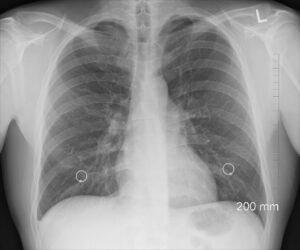
Did you know that the average person takes in about 23,000 breaths a day? That’s a lot of air. And each one of those breaths is processed by our amazing respiratory system. This system is responsible for taking in oxygen and releasing carbon dioxide. It does so in a very intricate way. What’s more surprising is that people don’t know how this system works. Many people buy shatter online in Canada, but they don’t know how to consume it right for a better set of lungs. In fact, they don’t know how to take care of them right. Well, you don’t have to be that kind of person. So read on. You’re about to reveal some fun facts about our respiratory system that you might not have known.

Your Nose Is a Great Filter and Humidifierlady

Did you know that your nose is actually a great filter and humidifier? That’s right. The hair in your nose filters out dust and other particles from the air. And the mucus in your nose traps these particles, so they don’t enter your lungs. Additionally, this mucus also moistens and warms the air before it enters your lungs. This is important because dry, cold air can irritate your lungs and make it difficult to breathe.

A Certain Amount of Air Never Leaves Your Lungs

Not only does your nose filter and humidify the air, but a certain amount of air never leaves your lungs. In fact, about 10% of the air you breathe in remains in your lungs. This is because the alveoli (air sacs) in your lungs are very efficient at exchanging oxygen and carbon dioxide. So even though a small amount of air remains in your lungs, they can still exchange oxygen and carbon dioxide effectively.

You Can Live Without One of Your Lungs

Did you know that you can actually live without one of your lungs? That’s right. People with a lung removed (a procedure called a pneumonectomy) can still live relatively everyday lives. In fact, many people who have had a pneumonectomy report that they don’t even notice a difference in their daily lives. This is because the remaining lung can compensate for the loss of the other lung. So even though it might seem like you need two lungs to survive, you actually only need one.

Your Lungs Are Home to Millions of Bacteria

lungsDid you know that your lungs are home to millions of bacteria? That’s right. In fact, it’s estimated that there are more than 10 million bacteria in the average person’s lungs. However, most of these bacteria are actually harmless. In fact, many of them are actually beneficial. For example, some bacteria help break down food in the lungs and produce vitamins that the body needs. So what’s the take-home message? The respiratory system is fascinating and complex and does much more than we give it credit for. So the next time you take a breath, remember all the fantastic things your lungs are doing to keep you alive and healthy. And if you’re ever curious about how this system works, don’t hesitate to ask your doctor or another healthcare professional. They’ll be more than happy to explain it to you.


eating

Healthy Foods Not to Miss as a SingerHealthy Foods Not to Miss as a Singer

A friend of mine used to sing at the local bar in the evening. Then one fine evening at the gay bar jackson tn ruined his career. This is as he suddenly lost his voice. Since then, we’ve done some research and discovered that if you’re serious about your singing career, you need to ensure that you’re taking care of your voice by eating the right foods. Many singers believe that they must avoid all food to preserve their voices, but this is not the case. In fact, many healthy foods can help improve your singing voice. Today, we will discuss four foods and how they can benefit your vocal health.

Fresh Fruits High in Water Content

fruitsOne of the best things you can do for your vocal health is to eat fresh fruits high in water. This is because the water will help keep your vocal cords hydrated, which is essential for healthy singing. Water is necessary for healthy vocal cord function. That’s why eating fresh fruits and vegetables high in water content is needed, like watermelons, grapes, and oranges, is essential. Not only will these fruits help keep your vocal cords hydrated, but they will also provide you with the nutrients you need to keep your voice sounding its best.

Lean Protein-Rich Foods

But these fruits are not supposed to be the only things you eat. You also need to make sure that you’re getting enough protein. Protein is essential for healthy vocal cord function. A study done in 2009 found that professional singers who ate a diet rich in lean protein had significantly fewer vocal problems than those who did not. That’s why it’s important to eat lean protein-rich foods, like chicken, fish, and tofu. These foods will help keep your vocal cords strong and healthy, which is essential for good singing.

Herbal Tea

Adele and Sam Smith are some of the most popular singers in the world, and they have one thing in common: they both drink herbal tea. Herbal teas are great for your vocal health because they help to soothe and protect your vocal cords. Chamomile and lavender tea are perfect for your voice. So if you’re looking for a way to improve your vocal health, try drinking herbal tea.

Honey

sweetLast but not least, honey is an excellent food for singers. Honey has been used for centuries to help soothe the throat and promote good vocal health. A study done in 2010 found that honey was just as effective as medication in treating upper respiratory tract infections. So if you’re looking for a natural way to treat your throat, try honey. You can add it to tea or just eat it straight. Either way, it’s suitable for your vocal cords. If you’re serious about your singing career, you need to ensure that you’re taking care of your voice by eating the right foods.

These foods help keep your vocal cords hydrated, strong, and healthy. So make sure to include them in your diet to improve your singing voice. On the other side, try avoiding dairy products, fried foods, butter, and soda. And soon, good vocal health will always be yours.