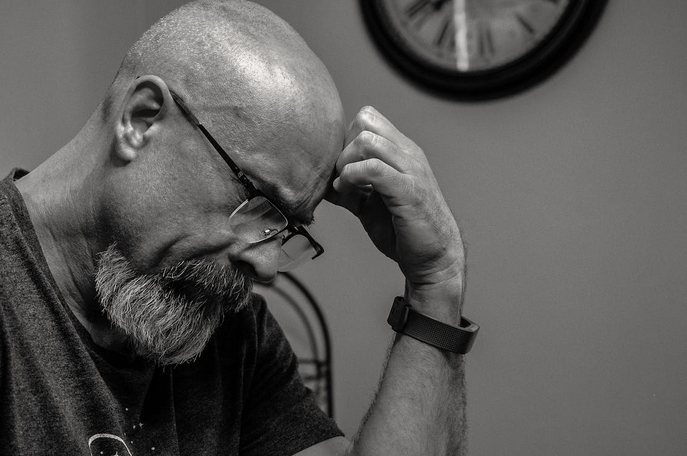
Are you experiencing hair loss and wondering what could be causing it? While genetics can play a role in baldness, several illnesses can lead to excessive hair shedding or patchy bald spots. People who have been experiencing this have considered getting a hair transplant. If you plan on getting one, you should an article about What to Expect After a Hair Transplant. Here, we’ll explore three different medical conditions that can cause hair loss: Alopecia Areata, Telogen Effluvium, and Trichotillomania. Understanding these illnesses and their effects on your hair can help you identify the underlying cause of your own hair loss.
Alopecia Areata
Alopecia Areata is an autoimmune disorder that causes hair loss in patches or all over the scalp. The immune system mistakenly attacks hair follicles, leading to inflammation and eventual hair loss. The condition can affect both men and women of any age, but it’s most commonly seen in people under 30. While the exact cause is unknown, genetics and environmental triggers such as stress or illness may play a role. Symptoms of Alopecia Areata include small, round bald patches on the scalp, eyebrows, or beard area for men. In severe cases, complete baldness can occur on the head or body, known as alopecia universalis.
Telogen Effluvium
 Telogen Effluvium is a type of hair loss that occurs when the normal cycle of hair growth and shedding is disrupted. This condition can affect both men and women, and it usually causes diffuse thinning of the scalp hair. Unlike alopecia areata, which typically presents as patchy baldness, telogen effluvium results in an overall reduction in hair density. There are many potential triggers for telogen effluvium, including physical stress from illness or surgery, emotional stress from major life events like divorce or job loss, hormonal changes such as those that occur after childbirth or during menopause, and certain medications like antidepressants or blood thinners. The good news is that telogen effluvium is often temporary and reversible once the underlying cause has been addressed. However, hair growth may take several months to return to normal. If you’re experiencing unexplained hair loss or thinning, it’s important to talk to your doctor about possible causes and treatments.
Trichotillomania

Trichotillomania is a hair-pulling disorder that affects millions of people worldwide. It is an impulse control disorder that makes individuals have an overwhelming urge to pull out their own hair, often resulting in bald patches on the scalp or other areas of the body. People with trichotillomania may experience intense anxiety and stress before pulling their hair, but once they start, it can be challenging to stop. Hair pulling temporarily relieves those dealing with underlying emotional issues such as depression or anxiety. Trichotillomania can manifest at any age, from childhood through adulthood. The exact cause of this condition is unknown, but studies suggest a combination of genetic and environmental factors may play a role.
A variety of illnesses, such as Alopecia Areata, Telogen Effluvium, and Trichotillomania, can cause baldness. Not all hair loss is permanent, and treatments are available for those who wish to seek them out. If you’re experiencing hair loss or balding, it’s always best to consult with a healthcare professional to determine the underlying cause before seeking treatment options. Identifying the root cause of your hair loss will help in finding the most suitable solution for you. Remember, our appearance is an important aspect of our overall well-being and confidence; therefore, taking care of ourselves both physically and mentally should always be a top priority.
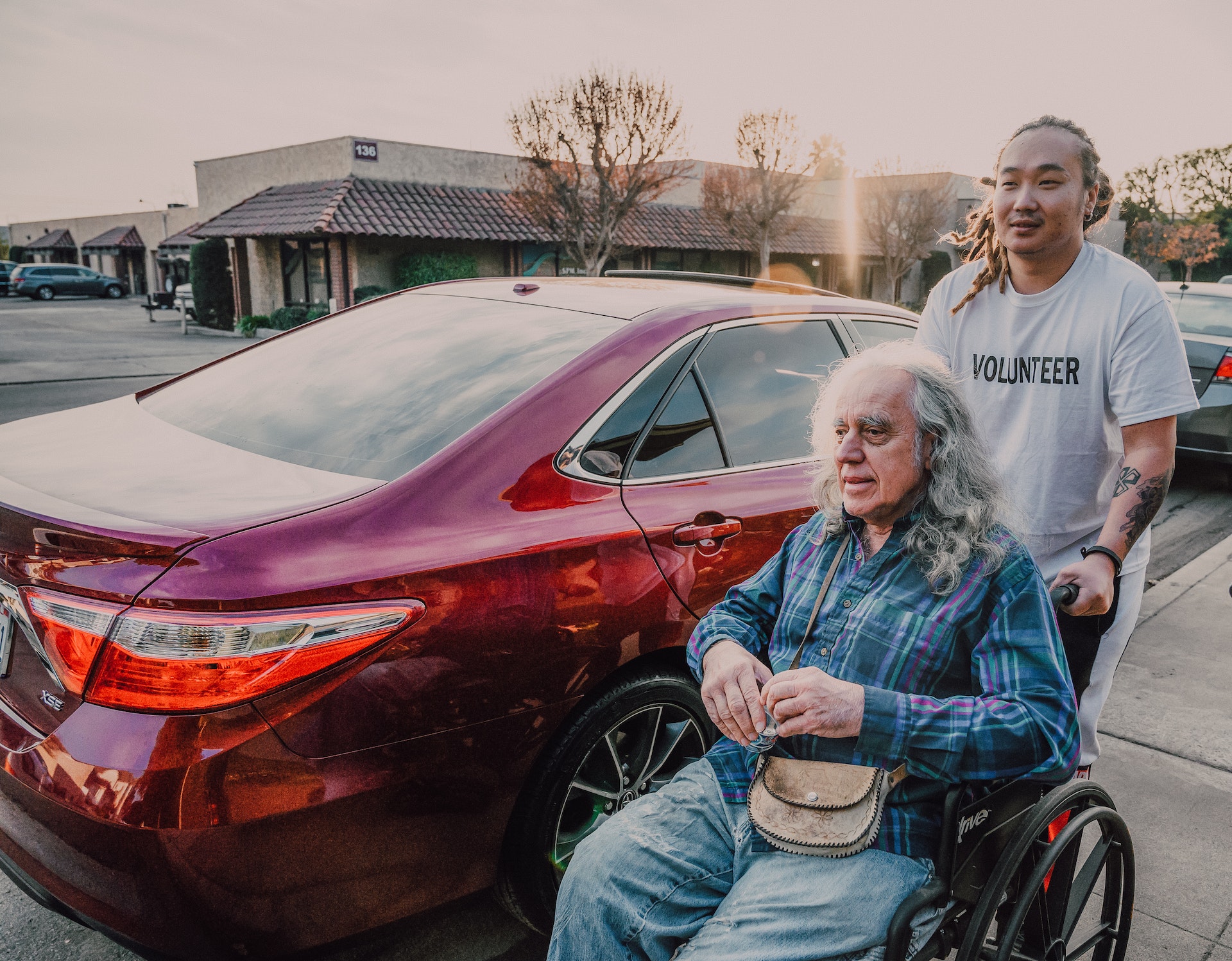
 Assisted living is a popular care option for seniors with disabilities who need help with daily activities such as bathing, dressing, and medication management. These facilities provide residents with private apartments while offering communal spaces for socialization and activities. The perk of living in this community is that it provides seniors with a level of independence while still receiving the necessary support they require. Staff is always there 24/7 to assist residents, but they also encourage them to participate in activities and events to maintain an active lifestyle. Many assisted living facilities also offer specialized care for those with specific disabilities such as dementia or mobility issues. This tailored approach ensures that each resident receives individualized attention and care based on their unique needs.
 Last but not least, let’s talk about home care. This option is highly suitable for seniors with disabilities who prefer to remain in their homes. It provides personalized care and attention that meets the specific needs of each individual. With home care, seniors can receive care with daily tasks such as taking and managing medication, prepping meals, and even bathing and dressing. The biggest pro you need to consider is that it lets seniors maintain their independence and privacy while receiving the necessary support they require to live comfortably at home. In addition, having a caregiver come into their own home can help reduce feelings of loneliness and isolation.