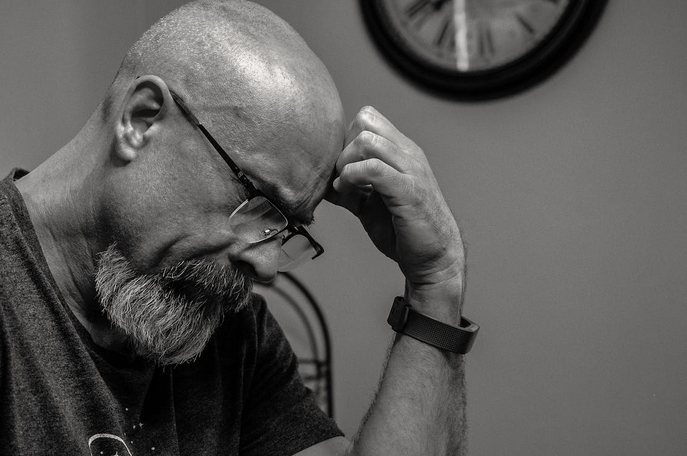
Different Illnesses That Can Cause Baldness

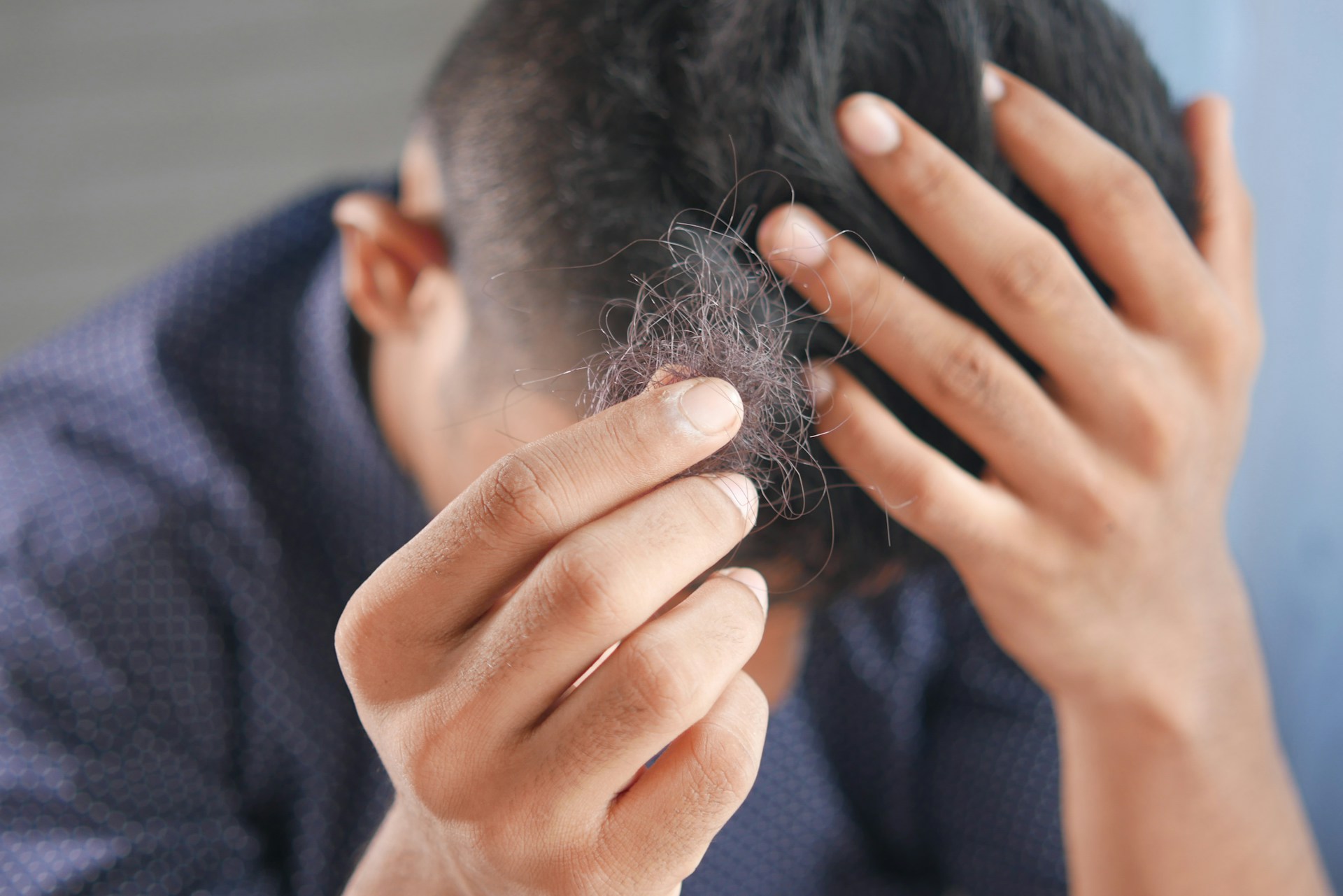
Are you experiencing hair loss and wondering what could be causing it? While genetics can play a role in baldness, several illnesses can lead to excessive hair shedding or patchy bald spots. People who have been experiencing this have considered getting a hair transplant. If you plan on getting one, you should an article about What to Expect After a Hair Transplant. Here, we’ll explore three different medical conditions that can cause hair loss: Alopecia Areata, Telogen Effluvium, and Trichotillomania. Understanding these illnesses and their effects on your hair can help you identify the underlying cause of your own hair loss.

Alopecia Areata

Alopecia Areata is an autoimmune disorder that causes hair loss in patches or all over the scalp. The immune system mistakenly attacks hair follicles, leading to inflammation and eventual hair loss. The condition can affect both men and women of any age, but it’s most commonly seen in people under 30. While the exact cause is unknown, genetics and environmental triggers such as stress or illness may play a role. Symptoms of Alopecia Areata include small, round bald patches on the scalp, eyebrows, or beard area for men. In severe cases, complete baldness can occur on the head or body, known as alopecia universalis.

Telogen Effluvium

alopeciaTelogen Effluvium is a type of hair loss that occurs when the normal cycle of hair growth and shedding is disrupted. This condition can affect both men and women, and it usually causes diffuse thinning of the scalp hair. Unlike alopecia areata, which typically presents as patchy baldness, telogen effluvium results in an overall reduction in hair density. There are many potential triggers for telogen effluvium, including physical stress from illness or surgery, emotional stress from major life events like divorce or job loss, hormonal changes such as those that occur after childbirth or during menopause, and certain medications like antidepressants or blood thinners. The good news is that telogen effluvium is often temporary and reversible once the underlying cause has been addressed. However, hair growth may take several months to return to normal. If you’re experiencing unexplained hair loss or thinning, it’s important to talk to your doctor about possible causes and treatments.

Trichotillomania

pull

Trichotillomania is a hair-pulling disorder that affects millions of people worldwide. It is an impulse control disorder that makes individuals have an overwhelming urge to pull out their own hair, often resulting in bald patches on the scalp or other areas of the body. People with trichotillomania may experience intense anxiety and stress before pulling their hair, but once they start, it can be challenging to stop. Hair pulling temporarily relieves those dealing with underlying emotional issues such as depression or anxiety. Trichotillomania can manifest at any age, from childhood through adulthood. The exact cause of this condition is unknown, but studies suggest a combination of genetic and environmental factors may play a role.

A variety of illnesses, such as Alopecia Areata, Telogen Effluvium, and Trichotillomania, can cause baldness. Not all hair loss is permanent, and treatments are available for those who wish to seek them out. If you’re experiencing hair loss or balding, it’s always best to consult with a healthcare professional to determine the underlying cause before seeking treatment options. Identifying the root cause of your hair loss will help in finding the most suitable solution for you. Remember, our appearance is an important aspect of our overall well-being and confidence; therefore, taking care of ourselves both physically and mentally should always be a top priority.

Tags: , ,

Related Post

Pumping

Three Health Benefits of Breast PumpsThree Health Benefits of Breast Pumps

Mothers have it rough, there are working mothers who have to prepare mother’s milk for their babies, but they’re tied with deadlines and meetings, which is why manufacturers have created breast pumps to help nursing mothers provide their babies with nutritious mother’s milk in a convenient way.

But with so many brands and companies in the market, knowing which pump is best for exclusive pumping can be challenging, so click on the link to see the answer straight away.

Furthermore, let us understand how the little invention can benefit nursing mothers and their babies down below:

It Can Help Babies Get Mother’s Milk

Breast Pump

Babies need mother’s milk if they want to grow up big, strong, and intelligent. It’s because mother’s milk has the perfect amount of protein, sugar, fat, vitamins, and growth hormones to promote a child’s growth and development. Therefore, it is quintessential that a growing infant gets their fair share of nutritious mother’s milk.

While that’s the perfect scenario, the real world does not care because there are many cases where mothers fail to provide their infants with the precious mother’s milk because of work, tiredness, long-distance, and so on. But with breast pumps, mothers everywhere can store milk for their babies and deliver them even if they are from a long-distance away.

It Can Help Babies Who Can’t Latch on Well

Sometimes babies can’t latch on to their mother’s nipples, and it will be bad because it means the child can’t get mother’s milk into their system. By using breast pumps, mothers can produce good quality milk and extract them quickly while they are lactating to be stored in milk jugs and bottles that might be easier for babies to suckle on. Some premature or sickly babies do require extra attention because they cannot latch on well enough, so using a feeding bottle can do the trick for them.

It Relieves Pain from Breast Engorgement

When a nursing mother’s breast is lactating and did not extract their precious mother’s milk for their babies, the breasts will be enlarged and swollen to the point that it will be unbearably uncomfortable. When she is provided with a breast pump, she can be released from the pain and discomfort instantly since the pump can help extract the milk out from the breasts, which will benefit both the mother and the baby.

The Takeaway

Breast pumps are a nursing mother’s best friend. When nursing mothers had their breasts full of mother’s milk, it will be uncomfortable for them if they are not extracted, which is why breast pumps are created. Pumps allow mothers to provide nutritious mother’s milk for their young so that they can grow up big, strong, and intelligent.

lungs

Fun Facts About Our Respiratory System That You Might Not KnowFun Facts About Our Respiratory System That You Might Not Know

Did you know that the average person takes in about 23,000 breaths a day? That’s a lot of air. And each one of those breaths is processed by our amazing respiratory system. This system is responsible for taking in oxygen and releasing carbon dioxide. It does so in a very intricate way. What’s more surprising is that people don’t know how this system works. Many people buy shatter online in Canada, but they don’t know how to consume it right for a better set of lungs. In fact, they don’t know how to take care of them right. Well, you don’t have to be that kind of person. So read on. You’re about to reveal some fun facts about our respiratory system that you might not have known.

Your Nose Is a Great Filter and Humidifierlady

Did you know that your nose is actually a great filter and humidifier? That’s right. The hair in your nose filters out dust and other particles from the air. And the mucus in your nose traps these particles, so they don’t enter your lungs. Additionally, this mucus also moistens and warms the air before it enters your lungs. This is important because dry, cold air can irritate your lungs and make it difficult to breathe.

A Certain Amount of Air Never Leaves Your Lungs

Not only does your nose filter and humidify the air, but a certain amount of air never leaves your lungs. In fact, about 10% of the air you breathe in remains in your lungs. This is because the alveoli (air sacs) in your lungs are very efficient at exchanging oxygen and carbon dioxide. So even though a small amount of air remains in your lungs, they can still exchange oxygen and carbon dioxide effectively.

You Can Live Without One of Your Lungs

Did you know that you can actually live without one of your lungs? That’s right. People with a lung removed (a procedure called a pneumonectomy) can still live relatively everyday lives. In fact, many people who have had a pneumonectomy report that they don’t even notice a difference in their daily lives. This is because the remaining lung can compensate for the loss of the other lung. So even though it might seem like you need two lungs to survive, you actually only need one.

Your Lungs Are Home to Millions of Bacteria

lungsDid you know that your lungs are home to millions of bacteria? That’s right. In fact, it’s estimated that there are more than 10 million bacteria in the average person’s lungs. However, most of these bacteria are actually harmless. In fact, many of them are actually beneficial. For example, some bacteria help break down food in the lungs and produce vitamins that the body needs. So what’s the take-home message? The respiratory system is fascinating and complex and does much more than we give it credit for. So the next time you take a breath, remember all the fantastic things your lungs are doing to keep you alive and healthy. And if you’re ever curious about how this system works, don’t hesitate to ask your doctor or another healthcare professional. They’ll be more than happy to explain it to you.

relapse

Rehab and Relapse Prevention: Healthy Lifestyle Choices That Make a DifferenceRehab and Relapse Prevention: Healthy Lifestyle Choices That Make a Difference

Recovery from addiction is more than just staying away from substances. It is about building a life that supports both the body and the mind. Rehab programs lay the foundation, but the real challenge begins after. Making healthy lifestyle choices can protect progress and lower the risk of relapse. The small decisions each day can create a system of support that keeps recovery strong.

Nutrition as a Foundation for Healing

Food directly affects mood, energy, and mental stability. During active addiction, nutrition often takes a back seat, and the body becomes deprived. A balanced diet with whole foods helps repair damage, stabilizes blood sugar, and reduces cravings. Eating regular meals with protein, fruits, vegetables, and healthy fats can restore balance. These choices might feel simple, but they provide long-term strength for the recovery journey.

Exercise and Physical Wellness

Movement does more than strengthen the body. It releases natural chemicals in the brain that improve mood and ease stress. Regular exercise can reduce anxiety, sharpen focus, and improve sleep quality. Activities like walking, swimming, or yoga can fit easily into daily routines. Exercise also provides structure and creates a positive outlet for managing emotions. Over time, it builds confidence and reinforces the idea that the body deserves care.

The Role of Quality Sleep

Sleep is often overlooked, but it is critical to recovery. Poor rest can trigger irritability, low energy, and even cravings. Setting a consistent sleep schedule and creating a calm environment at night helps the brain repair itself. Reducing caffeine, limiting screen time, and using relaxation techniques like deep breathing can make a difference. A steady rhythm of quality rest makes each day more manageable and strengthens overall resilience.

Mindfulness and Stress Management

mindfulness practice

Stress is a common trigger for relapse, which makes stress management essential. Mindfulness practices such as meditation or focused breathing help calm the nervous system. Journaling, spending time in nature, or practicing gratitude are also effective. These activities allow space for emotions without turning back to harmful substances. Mindfulness builds self-awareness, helping people recognize patterns and respond with healthier choices. This unique approach supports both emotional and physical balance.

Engagement in Meaningful Activities

Filling time with meaningful activities is another way to reduce relapse risk. Hobbies, creative outlets, or volunteering bring purpose and joy. These activities remind individuals that life in recovery is not just about avoiding substances but about building something fulfilling. Purposeful living provides direction and reduces the emptiness that often leads to relapse. Even small steps, like reading a book, learning a skill, or exploring nature, can have an impact.

Long-Term Commitment to Wellness

Recovery is not a short-term goal but an ongoing process. Healthy lifestyle choices need consistency, patience, and dedication. Some days will be easier than others, but the key is to keep moving forward. Progress is not always perfect, and setbacks may occur. What matters most is the commitment to get back on track. With the utmost effort, a healthy routine creates a stronger foundation for lasting sobriety and a more fulfilling life.

Isolation can make recovery harder, while healthy relationships create a safety net. Surrounding oneself with people who respect boundaries and support progress is key. This can include family, friends, mentors, or support groups. Open communication and trust reduce feelings of loneliness and strengthen motivation. Positive connections also encourage accountability, which helps ensure that recovery stays on track. Healthy relationships are not just comforting. They are powerful tools for long-term stability.