Restorative Dentistry: A Comprehensive Guide to Dental Health Restoration

Are you tired of hiding your smile due to dental issues? Look no further. Welcome to our comprehensive guide on restorative dentistry, where we unveil the secrets of achieving a dazzling and healthy set of teeth. Whether you’re battling cavities, dealing with missing teeth, or simply longing for a radiant smile, this blog post will equip you with everything you need to know about dental health restoration.

Understanding Restorative Dentistry

Restorative dentistry is a specialized field that addresses the diagnosis and management of oral health issues, with the primary goal of restoring the function and appearance of damaged or missing teeth. This holistic approach involves a combination of diagnostic, therapeutic, and preventive measures to achieve comprehensive dental care.
Common Restorative Procedures

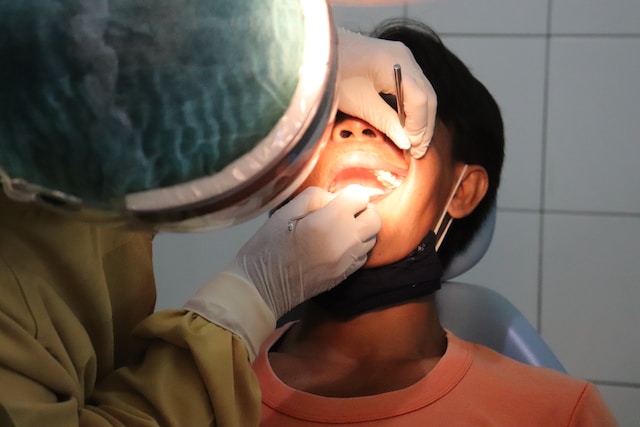
Among the most common restorative procedures are dental fillings. These are employed to repair teeth affected by cavities or decay. Modern dentistry offers a variety of filling materials, including composite resins, amalgam, and porcelain, each with its unique advantages and considerations. When a tooth is extensively damaged or weakened, a dental crown may be recommended. This custom-designed cap fits over the entire tooth, providing strength and protection. Crowns can be made from various materials, such as porcelain, metal, or a combination of both, depending on the specific requirements of the patient.

Bridges and Implants

A Comprehensive Guide to Dental Health RestorationFor individuals with one or more missing teeth, dental bridges offer a viable solution. These prosthetic devices consist of artificial teeth anchored to adjacent natural teeth or implants, effectively bridging the gap and restoring both function and aesthetics. Widely regarded as a revolutionary advancement in restorative dentistry, dental implants serve as artificial tooth roots. Surgically implanted into the jawbone, these titanium posts provide a stable foundation for attaching crowns, bridges, or dentures. Dental implants not only replicate the natural look and feel of teeth but also contribute to the preservation of jawbone health.

Those looking to undergo dental implant treatment should have healthy gums and sufficient bone density to support the implants. Mundhandwerk experienced dentists can assess your case and determine which teeth replacement option is best for you.

Dentures

Dentures remain a reliable and time-tested solution for individuals with significant tooth loss. Whether partial or complete, dentures enhance oral function, improve aesthetics, and boost confidence. Advances in denture technology have led to more comfortable, natural-looking options, offering individuals a renewed sense of normalcy.

Restorative Dentistry and Oral Health

Beyond the obvious benefits of a restored smile, restorative dentistry plays a crucial role in maintaining overall oral health. By addressing issues promptly, such as cavities or tooth decay, restorative procedures prevent the progression of dental problems that could lead to more extensive and costly treatments in the future. Regular dental check-ups and prompt intervention ensure a proactive approach to oral well-being. In the realm of modern dentistry, restorative procedures stand as pillars of oral health and functional aesthetics.

From the fundamental dental fillings to the groundbreaking dental implants, each intervention is tailored to the unique needs of the individual. Embracing restorative dentistry not only transforms smiles but also ensures that the foundation of oral health remains robust. As technology advances and techniques evolve, the future of restorative dentistry holds the promise of even more efficient, minimally invasive, and patient-friendly solutions.

Related Post

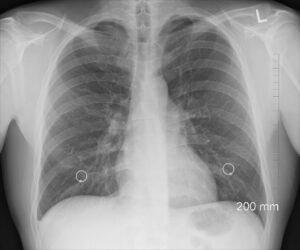
lungs

Fun Facts About Our Respiratory System That You Might Not KnowFun Facts About Our Respiratory System That You Might Not Know

Did you know that the average person takes in about 23,000 breaths a day? That’s a lot of air. And each one of those breaths is processed by our amazing respiratory system. This system is responsible for taking in oxygen and releasing carbon dioxide. It does so in a very intricate way. What’s more surprising is that people don’t know how this system works. Many people buy shatter online in Canada, but they don’t know how to consume it right for a better set of lungs. In fact, they don’t know how to take care of them right. Well, you don’t have to be that kind of person. So read on. You’re about to reveal some fun facts about our respiratory system that you might not have known.

Your Nose Is a Great Filter and Humidifierlady

Did you know that your nose is actually a great filter and humidifier? That’s right. The hair in your nose filters out dust and other particles from the air. And the mucus in your nose traps these particles, so they don’t enter your lungs. Additionally, this mucus also moistens and warms the air before it enters your lungs. This is important because dry, cold air can irritate your lungs and make it difficult to breathe.

A Certain Amount of Air Never Leaves Your Lungs

Not only does your nose filter and humidify the air, but a certain amount of air never leaves your lungs. In fact, about 10% of the air you breathe in remains in your lungs. This is because the alveoli (air sacs) in your lungs are very efficient at exchanging oxygen and carbon dioxide. So even though a small amount of air remains in your lungs, they can still exchange oxygen and carbon dioxide effectively.

You Can Live Without One of Your Lungs

Did you know that you can actually live without one of your lungs? That’s right. People with a lung removed (a procedure called a pneumonectomy) can still live relatively everyday lives. In fact, many people who have had a pneumonectomy report that they don’t even notice a difference in their daily lives. This is because the remaining lung can compensate for the loss of the other lung. So even though it might seem like you need two lungs to survive, you actually only need one.

Your Lungs Are Home to Millions of Bacteria

lungsDid you know that your lungs are home to millions of bacteria? That’s right. In fact, it’s estimated that there are more than 10 million bacteria in the average person’s lungs. However, most of these bacteria are actually harmless. In fact, many of them are actually beneficial. For example, some bacteria help break down food in the lungs and produce vitamins that the body needs. So what’s the take-home message? The respiratory system is fascinating and complex and does much more than we give it credit for. So the next time you take a breath, remember all the fantastic things your lungs are doing to keep you alive and healthy. And if you’re ever curious about how this system works, don’t hesitate to ask your doctor or another healthcare professional. They’ll be more than happy to explain it to you.


Fat Burner

Fat Burners – The Ultimate Dietary SupplementFat Burners – The Ultimate Dietary Supplement

When it comes to shedding some of that extra pounds that you just gained, nothing can top the slimming powers of fat burners. Fat burners are the pinnacle of dietary supplements because they target the stored fat cells inside of our bodies and stimulate our metabolism to release them from their captivity. They are pretty much like a magic pill that can help melt fat away from our bodies like a popsicle on a sunny day!

What Are Fat Burners?

Fat

Think of fat burners like small soldiers inside a capsule that is eager to beat off the stubborn fats that are freeloading in your body and kick them out for good. They are classified as a dietary supplements because of how they can help boost our dieting efforts to the maximum. You can indeed slim down just fine without the help of dietary supplements. Some people who inherited a good metabolism from the start have no problem shedding some extra pounds even though they don’t do many physical activities. 

This phenomenon is based on their good metabolism and genetic traits. They are natural at losing fat which turns them into the subject of envy for many people who struggle with losing fat. Now, for those unfortunate souls who didn’t win the good metabolism in the genetic lottery, fat burners exist solely just for our sake. They help boost our metabolism to the point that our bodies heat up and sweat a lot, so we ended up using those stored fat cells as energy. Think of our fats as coal inside a train; our bodies which is the train, will use the coal to generate enough energy to make the train run faster during our everyday activities. This is why fat burners are excellent in doing what their name implies!

How to Use Them?

Since you already know what fat burners are and what they can do to assist you in your weight loss journey, we’re going to tell you how best to utilize the dietary supplement. We recommend you prepare a fitness plan that you can follow for at least three months to see significant progress in your weight loss journey. Taking fat burners on their own will help you lose fat, but why not capitalize on the product? Since you already spend money on it, you should make it worth every penny and utilize the product to the fullest.

Take fat burners as a pre-workout and do a combination of cardiovascular and weight lifting exercises. The best result you want to see is a healthy decline in your fat ratio at about one to three pounds per week. Now imagine what three months of discipline can do? Remember to do your research and exercise like a champ!

relapse

Rehab and Relapse Prevention: Healthy Lifestyle Choices That Make a DifferenceRehab and Relapse Prevention: Healthy Lifestyle Choices That Make a Difference

Recovery from addiction is more than just staying away from substances. It is about building a life that supports both the body and the mind. Rehab programs lay the foundation, but the real challenge begins after. Making healthy lifestyle choices can protect progress and lower the risk of relapse. The small decisions each day can create a system of support that keeps recovery strong.

Nutrition as a Foundation for Healing

Food directly affects mood, energy, and mental stability. During active addiction, nutrition often takes a back seat, and the body becomes deprived. A balanced diet with whole foods helps repair damage, stabilizes blood sugar, and reduces cravings. Eating regular meals with protein, fruits, vegetables, and healthy fats can restore balance. These choices might feel simple, but they provide long-term strength for the recovery journey.

Exercise and Physical Wellness

Movement does more than strengthen the body. It releases natural chemicals in the brain that improve mood and ease stress. Regular exercise can reduce anxiety, sharpen focus, and improve sleep quality. Activities like walking, swimming, or yoga can fit easily into daily routines. Exercise also provides structure and creates a positive outlet for managing emotions. Over time, it builds confidence and reinforces the idea that the body deserves care.

The Role of Quality Sleep

Sleep is often overlooked, but it is critical to recovery. Poor rest can trigger irritability, low energy, and even cravings. Setting a consistent sleep schedule and creating a calm environment at night helps the brain repair itself. Reducing caffeine, limiting screen time, and using relaxation techniques like deep breathing can make a difference. A steady rhythm of quality rest makes each day more manageable and strengthens overall resilience.

Mindfulness and Stress Management

mindfulness practice

Stress is a common trigger for relapse, which makes stress management essential. Mindfulness practices such as meditation or focused breathing help calm the nervous system. Journaling, spending time in nature, or practicing gratitude are also effective. These activities allow space for emotions without turning back to harmful substances. Mindfulness builds self-awareness, helping people recognize patterns and respond with healthier choices. This unique approach supports both emotional and physical balance.

Engagement in Meaningful Activities

Filling time with meaningful activities is another way to reduce relapse risk. Hobbies, creative outlets, or volunteering bring purpose and joy. These activities remind individuals that life in recovery is not just about avoiding substances but about building something fulfilling. Purposeful living provides direction and reduces the emptiness that often leads to relapse. Even small steps, like reading a book, learning a skill, or exploring nature, can have an impact.

Long-Term Commitment to Wellness

Recovery is not a short-term goal but an ongoing process. Healthy lifestyle choices need consistency, patience, and dedication. Some days will be easier than others, but the key is to keep moving forward. Progress is not always perfect, and setbacks may occur. What matters most is the commitment to get back on track. With the utmost effort, a healthy routine creates a stronger foundation for lasting sobriety and a more fulfilling life.

Isolation can make recovery harder, while healthy relationships create a safety net. Surrounding oneself with people who respect boundaries and support progress is key. This can include family, friends, mentors, or support groups. Open communication and trust reduce feelings of loneliness and strengthen motivation. Positive connections also encourage accountability, which helps ensure that recovery stays on track. Healthy relationships are not just comforting. They are powerful tools for long-term stability.