Guide to Using CBD Oil for Relieving Anxiety

Anxiety can be debilitating for many people. It’s one of the most common mental health disorders that affect adults in the United States, and it can affect people of any age or background. If you’re struggling with anxiety, you might want to consider using CBD oil. This blog post will cover some of the benefits of using CBD for anxiety so that you may decide if it’s right for your needs!

CBD Oil is a Natural Remedy for Anxiety

cbd productsOne of the best things about CBD oil is its natural remedy. It means that it comes from plants rather than being synthesized in a lab. It also means that it doesn’t have any harmful side effects like many prescription medications. Studies showed that CBD oil is relatively safe for most people. There are a few different ways to take CBD oil for anxiety. You can purchase CBD oil that comes in pill form or get it as an extract that you add to food or drink. Some people also use CBD oil by vaping, which they will inhale the CBD oil vapor and let the chemical compounds go through the blood vessels.

Vaping CBD Oil for Anxiety, Stress, and More

One of the most significant benefits of vaping CBD oil is that you can make it part of your daily routine. If you feel like taking a few puffs during work or on your lunch break, then go right ahead! It’s perfectly safe for most people to take CBD oil this way. You’ll be able to get the benefits of the oil without having to worry about any adverse side effects. CBD oil has also been shown to help with other conditions like stress and chronic pain. If you’re struggling with any of these issues, then CBD oil might be a good option for you! Talk to your doctor or therapist about whether it’s the proper treatment for you to take CBD oil.

The Importance of a Doctor’s Consultation

cbd oilsAs mentioned, you need to talk to your doctor about whether you need to use CBD oil to relieve your anxiety. CBD oil is a safe treatment for any depression, but it’s still essential that you consult a medical professional before trying anything new. You’ll also want to make sure that the CBD oil comes from an organic source and isn’t mixed with other chemicals or substances. If you do your research on where to buy CBD oil, then you’ll be able to find a reputable source that will provide you with the best results.

CBD oil is a natural remedy for anxiety that can help you get your life back on track. Talk to your doctor or therapist about whether this treatment is proper for you! If you’re struggling with anxiety, then CBD oil might be the best option for you. So, get one now.


Tags: , ,

Related Post

bloat

How to Reduce Bloating and Discomfort After a ColonoscopyHow to Reduce Bloating and Discomfort After a Colonoscopy

Feeling bloated or uncomfortable after a colonoscopy is common, but knowing how to manage these symptoms can help you recover more quickly. The air used during the procedure often causes mild swelling or gas, which typically subsides within a day. At a colonoscopy clinic, patients are advised to focus on hydration, light meals, and gentle movement to ease post-procedure discomfort. Simple habits like sipping warm liquids or avoiding carbonated drinks can also make a difference. This article explores practical ways to reduce bloating and restore comfort after a colonoscopy for a smoother recovery experience.

Move Around to Release Trapped Gas

After the procedure, the main cause of bloating and pressure is the air that was used to expand your colon for better visibility. Gentle movement helps your body release that trapped gas naturally. Try walking around the house for a few minutes at a time instead of lying down for long periods. Light stretching or short walks can make a noticeable difference in relieving discomfort. Avoid strenuous activity, but keep your body in motion enough to promote digestion and circulation. Within a few hours, you should start feeling lighter and more relaxed.

Stay Hydrated and Eat Light

Your body loses fluids during colonoscopy preparation, so replenishing with water is key to recovery. Sip water throughout the day rather than drinking large amounts at once. Herbal teas like peppermint or chamomile can also help reduce bloating and calm your stomach. When it comes to food, start with light meals such as soup, yogurt, or soft fruits. Avoid fried or high-fiber foods for the first twenty-four hours, as these can irritate your digestive system. Gradually return to your normal diet as your body adjusts, paying attention to what feels comfortable.

meal

Avoid Carbonated Drinks and Chewing Gum

Carbonated beverages might seem refreshing, but they introduce extra gas into your digestive tract, which can make bloating worse. The same goes for chewing gum, as it causes you to swallow air without realizing it. Instead, choose still water, herbal teas, or diluted fruit juice. If you crave something flavorful, try adding a slice of lemon or cucumber to your water for a gentle boost. Avoiding carbonated drinks for at least a day after your procedure gives your body time to settle without added discomfort.

Rest and Give Your Body Time to Recover

Even though colonoscopy is a routine procedure, it still places temporary stress on your digestive system. After your appointment, plan for a calm and restful day. Sedation can make you feel drowsy, so rest helps your body recover properly. Avoid driving, working, or making major decisions for the rest of the day. Listen to your body and permit yourself to relax. Resting also allows your digestive system to regain balance more smoothly. By the next day, most people feel completely back to normal and ready to resume regular activities.

Feeling bloated or gassy after a colonoscopy is completely normal, but it doesn’t have to ruin your day. Gentle movement, hydration, light meals, and rest are the best ways to ease discomfort and help your body bounce back. Avoiding carbonated drinks and giving yourself time to recover makes a big difference in how quickly you feel better. Within a short time, your system will settle, and you can appreciate the peace of mind that comes with completing an important preventive screening. Taking care of your recovery is simply the final step in looking after your long-term health.

fit

Can HRT Help You Lose Weight? What Science & Clinics Are SayingCan HRT Help You Lose Weight? What Science & Clinics Are Saying

Conversations about hormone replacement therapy (HRT) usually revolve around hot flashes, sleep struggles, and mood swings. But lately, more people are asking if it can also be a secret weapon for shedding stubborn pounds. Elite HRT has on-site consultations giving patients a chance to directly ask if hormone balance can really support their fitness journey.

Hormones and the Weight Connection

scale

The short answer? Science suggests hormones and weight are closely tied, but it’s not a one-size-fits-all fix. Hormones regulate everything from how hungry you feel to how quickly your body burns calories. When estrogen, testosterone, or thyroid hormones dip or spike, the result can be fatigue, cravings, or fat gain in places you don’t want.

Think of hormones as a thermostat: if the settings are off, your body struggles to find balance. Addressing these imbalances may make workouts more effective and diet plans easier to stick to. Research shows that estrogen decline in women, especially during perimenopause and menopause, often leads to fat storage around the belly. For men, low testosterone can mean muscle loss and slower calorie burn. Both scenarios increase frustration when the scale refuses to budge. HRT aims to restore levels closer to optimal, which may, in turn, support better weight control.

How HRT May Influence Metabolism

Some clinical studies suggest HRT can improve how the body processes glucose, which is key to avoiding energy crashes. Better glucose regulation helps reduce sudden hunger spikes that often derail diet goals. Along with this, balanced hormones can promote lean muscle growth, which naturally increases calorie burn. The effect isn’t overnight magic, but it can help tilt the odds in your favor. That said, HRT isn’t meant to replace movement or mindful eating. Doctors stress it works best as part of a bigger plan—one that includes regular exercise, strength training, and nutrient-dense meals.

What Clinics Are Seeing in Patients

people

Doctors and specialists report that patients on HRT often experience less fatigue and improved motivation to stick to active routines. Energy levels feel steadier, which can make lacing up sneakers after work less of a struggle. Some also notice a decrease in belly fat, though results vary depending on genetics, lifestyle, and consistency. The pattern seems clear: balanced hormones support better daily choices. Clinics caution that HRT isn’t for everyone, though. Medical evaluations are crucial, since side effects or pre-existing conditions can change the conversation. For many, HRT is most effective when monitored closely with regular follow-ups.

The Role of Professional Guidance

Self-diagnosing hormone issues can backfire. Symptoms like weight gain or fatigue might stem from stress, sleep deprivation, or other conditions. This is why working with licensed providers is essential. A personalized plan based on lab tests beats trial and error every time. Clinics that specialize in HRT emphasize the importance of ongoing support. Adjustments are often needed as the body responds to treatment. With the right oversight, patients feel confident knowing they’re making informed decisions, not chasing a fad. The process may not always be glamorous, but it often pays off in energy, mood, and long-term wellness.

HRT has potential as part of a weight management strategy, but it’s not the entire puzzle. Balanced hormones can help the body work more efficiently, making workouts and diets less of an uphill battle. Still, lasting results come from combining medical care with sustainable habits.

A Comprehensive Guide to Dental Health Restoration

Restorative Dentistry: A Comprehensive Guide to Dental Health RestorationRestorative Dentistry: A Comprehensive Guide to Dental Health Restoration

Are you tired of hiding your smile due to dental issues? Look no further. Welcome to our comprehensive guide on restorative dentistry, where we unveil the secrets of achieving a dazzling and healthy set of teeth. Whether you’re battling cavities, dealing with missing teeth, or simply longing for a radiant smile, this blog post will equip you with everything you need to know about dental health restoration.

Understanding Restorative Dentistry

Restorative dentistry is a specialized field that addresses the diagnosis and management of oral health issues, with the primary goal of restoring the function and appearance of damaged or missing teeth. This holistic approach involves a combination of diagnostic, therapeutic, and preventive measures to achieve comprehensive dental care.

Common Restorative Procedures

Among the most common restorative procedures are dental fillings. These are employed to repair teeth affected by cavities or decay. Modern dentistry offers a variety of filling materials, including composite resins, amalgam, and porcelain, each with its unique advantages and considerations. When a tooth is extensively damaged or weakened, a dental crown may be recommended. This custom-designed cap fits over the entire tooth, providing strength and protection. Crowns can be made from various materials, such as porcelain, metal, or a combination of both, depending on the specific requirements of the patient.

Bridges and Implants

A Comprehensive Guide to Dental Health RestorationFor individuals with one or more missing teeth, dental bridges offer a viable solution. These prosthetic devices consist of artificial teeth anchored to adjacent natural teeth or implants, effectively bridging the gap and restoring both function and aesthetics. Widely regarded as a revolutionary advancement in restorative dentistry, dental implants serve as artificial tooth roots. Surgically implanted into the jawbone, these titanium posts provide a stable foundation for attaching crowns, bridges, or dentures. Dental implants not only replicate the natural look and feel of teeth but also contribute to the preservation of jawbone health.
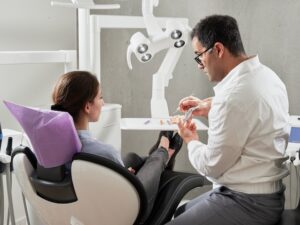
Those looking to undergo dental implant treatment should have healthy gums and sufficient bone density to support the implants. Mundhandwerk experienced dentists can assess your case and determine which teeth replacement option is best for you.

Dentures

Dentures remain a reliable and time-tested solution for individuals with significant tooth loss. Whether partial or complete, dentures enhance oral function, improve aesthetics, and boost confidence. Advances in denture technology have led to more comfortable, natural-looking options, offering individuals a renewed sense of normalcy.

Restorative Dentistry and Oral Health

Beyond the obvious benefits of a restored smile, restorative dentistry plays a crucial role in maintaining overall oral health. By addressing issues promptly, such as cavities or tooth decay, restorative procedures prevent the progression of dental problems that could lead to more extensive and costly treatments in the future. Regular dental check-ups and prompt intervention ensure a proactive approach to oral well-being. In the realm of modern dentistry, restorative procedures stand as pillars of oral health and functional aesthetics.

From the fundamental dental fillings to the groundbreaking dental implants, each intervention is tailored to the unique needs of the individual. Embracing restorative dentistry not only transforms smiles but also ensures that the foundation of oral health remains robust. As technology advances and techniques evolve, the future of restorative dentistry holds the promise of even more efficient, minimally invasive, and patient-friendly solutions.